
What Is Anemia?
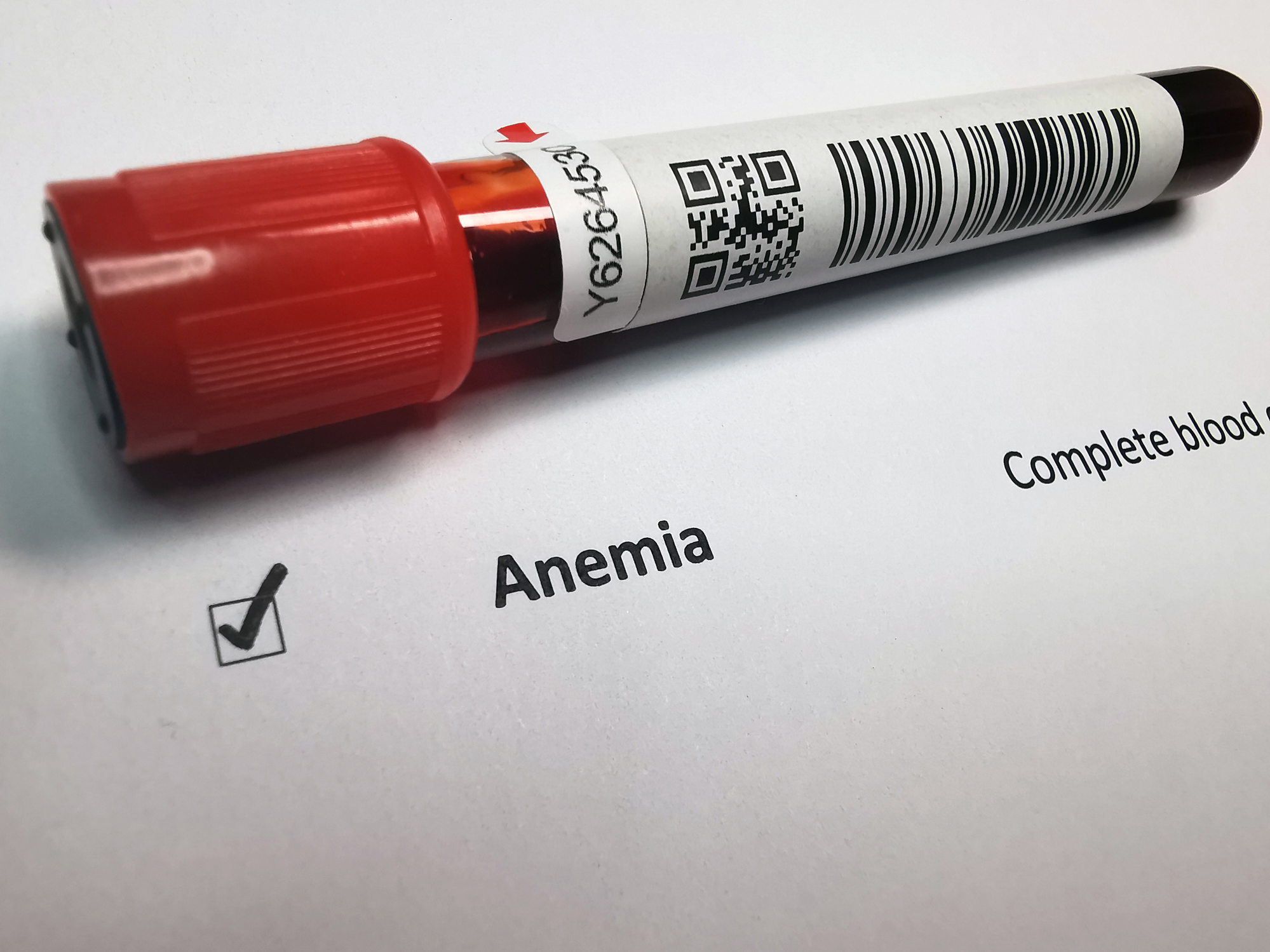
Anemia is a condition where your body does not have enough healthy red blood cells to carry oxygen to your tissues. Red blood cells contain hemoglobin, a protein that binds oxygen and delivers it throughout the body. When hemoglobin levels are low, organs and muscles don’t get the oxygen they need to work properly.¹ Anemia is not a disease itself—it is a sign that something else may be going on in the body.²
How Common Is Anemia?
Anemia is one of the most common blood conditions worldwide. According to global health estimates, over 1.6 billion people are affected by anemia at any given time.⁴ In the United States, anemia affects millions of people, especially women, older adults, and individuals with chronic health conditions.³
Who Does Anemia Affect?
Anemia can affect anyone, but certain groups are at higher risk:
- Women
Women of childbearing age are more likely to develop anemia due to menstrual blood loss and increased iron needs during pregnancy.¹,³ - Pregnant Individuals
Pregnancy increases the body’s demand for iron and other nutrients needed to support fetal development. Without enough iron, anemia can develop.¹ - Infants and Children
Rapid growth increases the need for iron. Poor dietary intake can lead to iron-deficiency anemia in young children.³ - Older Adults
Chronic diseases, reduced nutrient absorption, and certain medications can increase anemia risk in older adults.² - People with Chronic Conditions
Conditions such as kidney disease, cancer, autoimmune disorders, and gastrointestinal diseases can interfere with red blood cell production.²,³

What Causes Anemia?
There are several different types of anemia, each with its own cause:
• Iron-Deficiency Anemia
This is the most common type. It occurs when the body does not have enough iron to produce hemoglobin. Causes may include poor diet, blood loss, or difficulty absorbing iron.¹,³
• Vitamin-Deficiency Anemia
Low levels of vitamin B12 or folate can interfere with red blood cell production.³
• Anemia of Chronic Disease
Long-term illnesses can affect how the body produces red blood cells or uses iron.²
• Inherited Anemias
Some types, such as sickle cell anemia or thalassemia, are genetic and passed down through families.¹
• Aplastic Anemia
A rare condition where the bone marrow does not produce enough blood cells.²
Why Anemia Matters
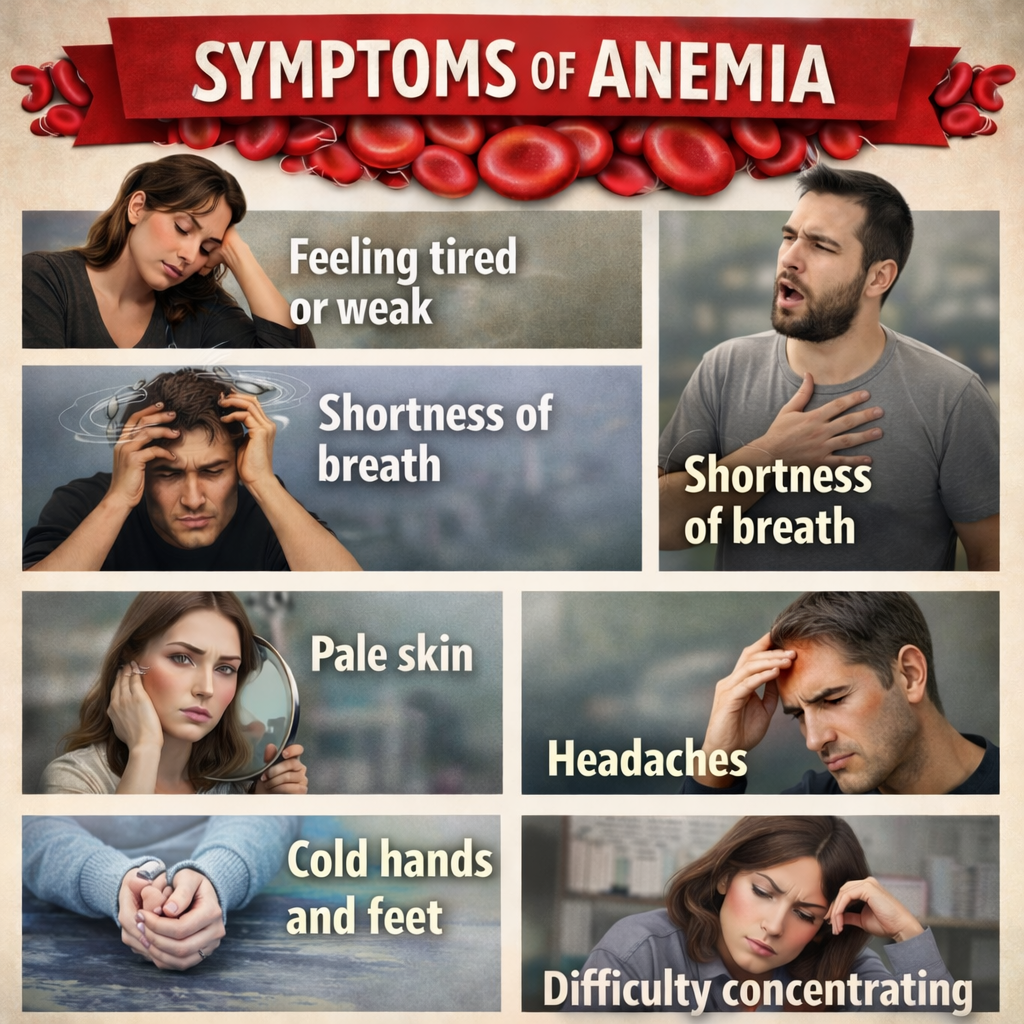
When anemia goes untreated, it can affect daily life and overall health. Low oxygen levels can lead to fatigue, reduced physical endurance, and difficulty thinking clearly.¹
Severe or long-term anemia may increase the risk of:
• Heart problems
• Pregnancy complications
• Delayed growth in children
• Reduced immune function²,³
Early detection and treatment can help prevent these complications.
How Is Anemia Diagnosed?
Anemia is usually diagnosed through a simple blood test called a complete blood count (CBC). This test measures hemoglobin levels and the number and size of red blood cells.³ Additional tests may be needed to determine the underlying cause, such as iron levels, vitamin levels, or tests for chronic disease.²
What Can You Do About Anemia?
- Eat Iron-Rich Foods
• Lean red meat, poultry, and fish
• Beans and lentils
• Dark leafy greens (spinach, kale)
• Fortified cereals and grains¹,³
Vitamin C helps the body absorb iron, so pairing iron-rich foods with fruits or vegetables like oranges, strawberries, or bell peppers can be helpful.¹
- Get Enough Vitamins
Vitamin B12 and folate are essential for red blood cell production. These are found in foods such as eggs, dairy, leafy greens, and fortified products.³ - Take Supplements if Recommended
Iron or vitamin supplements should only be taken under the guidance of a healthcare provider, as too much iron can be harmful.² - Address Underlying Conditions
Treating the root cause—such as managing chronic disease or addressing blood loss—is key to long-term improvement.²
When to Talk to a Healthcare Provider?
You should talk to a healthcare professional if you:
(1) Feel unusually tired or weak (2) Experience shortness of breath or dizziness (3) Have heavy or prolonged menstrual bleeding (4) Have a chronic medical condition²,³.
Early evaluation can make a big difference.
©2026ProgressiveHealth
References
1. National Heart, Lung, and Blood Institute (NHLBI). Anemia Overview.
2. Mayo Clinic. Anemia: Symptoms and Causes.
3. Centers for Disease Control and Prevention (CDC). Iron-Deficiency Anemia.
4. World Health Organization (WHO). Worldwide Prevalence of Anemia.